

Fascia Board: Why Greenville Homeowners Should Care
At Greenville Roofing, we take pride in serving homeowners across Greenville, South Carolina, with reliable roofing solutions. Our team brings years of experience in roof repair, roof replacement, gutter systems, and fascia care. We focus on quality workmanship, durable materials, and clear communication so every project is completed with lasting results. Whether your home needs a small repair or a full roof replacement, Greenville Roofing is committed to protecting your home and providing peace of mind.
A fascia board may look like simple trim, but it is a key part of every roof system. It holds the gutter system in place, shields the lower ends of roof rafters, and protects the roof edge from water and insect damage. In Greenville, where heavy rain and humidity are common, a fascia board in good condition helps most homeowners avoid structural issues and costly repairs. Understanding its purpose, materials, and signs of damage gives homeowners the knowledge to keep their roofline strong and their house protected.
In this blog, you will discover what a fascia board does, explore the materials most homeowners choose, spot signs of damage, and see why Greenville Roofing’s expert roofing services repair and replace fascia for lasting protection.
What Exactly Is a Fascia Board?
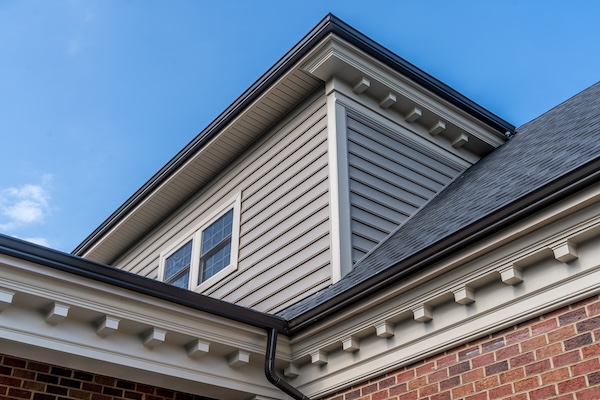
A fascia board is a simple part of the roof system, yet it does an important job. It runs along the roof edge and connects to the roof rafters, supporting the gutter system and protecting the house from water and pests.
Location of Fascia Board
The fascia board is mounted at the lower edge of the roof where the roof meets the exterior wall. It is also placed along the gable end and visible under the roof overhang. This position makes it the base for all the guttering and the drip edge.
Function of Fascia Board
The fascia board covers the ends of the roof rafters and roof trusses. It creates a finished look along the roofline while also protecting the underside of the roof from moisture and insect damage. By holding the gutters in place, the fascia ensures several gallons of water from heavy rain flow away from the house instead of seeping into the structure.
Why Fascia Board Matters to Homeowners
Most homeowners think about shingles or gutters but overlook the fascia. In good condition, the fascia board protects the attic, soffit, and exterior trim. If left untreated or damaged, the board can rot, weaken, and lead to structural issues. This is why fascia materials such as pine, cedar, vinyl, aluminum, or fiber cement are chosen based on durability and maintenance needs.
The Purpose of Fascia Board in a Roofing System
The fascia board is more than exterior trim. It supports the roof fascia, gutter system, and protects the house from water and structural issues.
Support for Gutters
The fascia board provides the surface where gutters are mounted. Without it, the gutter system cannot carry several gallons of water during heavy rain. A strong fascia keeps all the guttering secure and prevents gutters from pulling away from the roofline.
Protection for Roof Rafters and Trusses
Fascia boards shield the lower ends of roof rafters and roof trusses from exposure. They block moisture, insects, and debris from entering the attic or underside of the roof. This protection prevents rot, holes, and insect damage that weaken structural integrity.
Control of Water Flow
With a drip edge installed above, fascia directs water into the gutters. This control stops water from running down the exterior surface of the house and damaging siding, soffit, or joints. Properly installed fascia reduces the risk of water damage and keeps the roof edge in good condition.
A Finished Look for the Roofline
The fascia board also improves the exterior trim. It creates a clean, visible edge along the roofline and gable end. Whether wood, vinyl fascia, aluminum, or fiber cement, the fascia trim gives the roof a finished look while keeping the surface protected.
Fascia Materials Homeowners Should Know
Fascia boards come in various materials, each with strengths and weaknesses. The right choice depends on budget, durability, and the climate in Greenville.
Wood Fascia
Wood fascia, often made from pine, fir, spruce, or cedar, is the traditional option. It provides strong support for gutters and gives the roofline a classic finished look. However, untreated wood is prone to rot, insect damage, and water damage. Regular paint or protective cover is needed to keep the board in good condition.
Vinyl Fascia
Vinyl fascia is popular for its low maintenance and resistance to moisture. It does not rot or attract insects, making it a good choice in humid climates. Homeowners should note that vinyl can warp under high heat, so installation quality matters.
Aluminum Fascia Trim
Aluminum is often used as fascia trim or as a cover for wood fascia. It reduces the need for frequent painting and adds protection against the elements. Aluminum fascia is lightweight yet strong enough to support all the guttering.
Fiber Cement Fascia
Fiber cement fascia is highly resistant to water, rot, and insect damage. It can be painted for a clean exterior trim and lasts longer than many other materials. This option is heavier and requires professional installation, but it gives homeowners a durable solution.
PVC and Plastic Fascia
PVC and other plastic fascia boards offer long-lasting durability with minimal upkeep. They do not absorb moisture, and they resist decay. These materials are often chosen during roof replacement projects for their consistent performance and low maintenance.
Signs of Fascia Board Damage
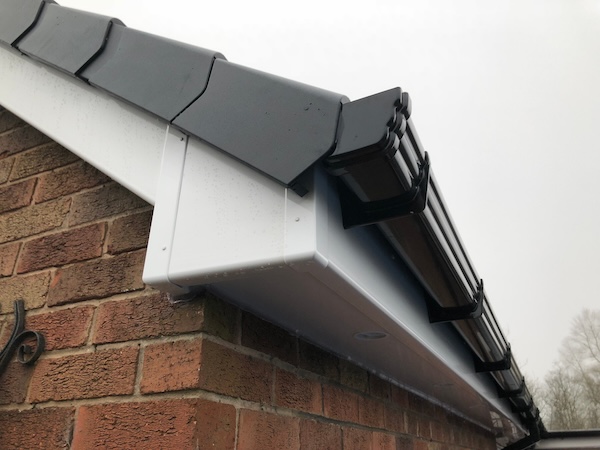
A fascia board shows clear signs when it is no longer in good condition. Homeowners in Greenville should look for these problems during roof and gutter inspections.
Visible Rot and Soft Spots
Wood fascia boards can rot when exposed to moisture. Soft spots, peeling paint, or dark stains on the surface often signal water damage. Rot usually begins at the lower ends of the board where water collects.
Gutters Pulling Away
If gutters no longer sit flush with the roofline, the fascia board may be damaged. A weak board cannot hold nails or screws, causing gutters to sag or separate. This problem puts the gutter system and roof edge at risk during heavy rain.
Holes and Insect Damage
Holes or cracks in fascia boards may point to insect damage. Termites, carpenter ants, and other pests can weaken untreated wood, creating entry points into the attic or soffit.
Water Stains and Overflow
Water stains on the fascia trim or siding indicate leaks. Overflowing gutters can soak the fascia board with several gallons of water, leading to rot and structural issues.
Warping or Splitting
Vinyl fascia and plastic boards may warp under heat, while wood can split if left unpainted or unprotected. Any visible changes in form or shape show that the fascia board should be repaired or replaced.
Repair, Replacement, and Maintenance
Fascia boards must stay in good condition to protect the roof edge and support the gutter system. When damage shows, homeowners should decide if the board can be repaired or if full replacement is needed.
When to Repair Fascia
Small holes, peeling paint, and surface rot can often be repaired. Repairs may include filling holes, sanding damaged areas, and applying fresh paint or protective cover. This keeps the fascia trim sealed against moisture and insect damage.
When to Replace Fascia
If the fascia board is split, sagging, or rotted through, replacement is the only solution. Replacement involves removing all the work around the fascia, including gutters and drip edge. A new board is installed, joints are sealed, and gutters are reattached to restore structural integrity.
Maintenance Practices
Regular maintenance prevents costly repairs. Homeowners should inspect fascia annually, especially after heavy rain or storms. Cleaning gutters keeps several gallons of water from spilling onto the fascia surface. Applying paint or aluminum fascia trim adds protection against rot and water damage.
Professional Help
Roofing professionals can identify damage that is not visible to most homeowners. They ensure fascia boards are installed correctly with nails, drip edge, and soffit alignment. A professional checkup before a roof replacement also confirms the fascia is strong enough to hold new materials.
Greenville Roofing Expertise in Fascia Care
Local weather in Greenville can be hard on fascia boards. Heat, humidity, and heavy rain all test the strength of the roofline. Greenville Roofing provides fascia services that keep homes protected and in good condition.
Knowledge of Local Conditions
Greenville Roofing understands how moisture and insects affect fascia materials in South Carolina. Untreated wood may rot faster, while vinyl fascia can warp under strong sun. Their team recommends materials such as fiber cement, aluminum fascia trim, or PVC when durability is the priority.
Professional Installation
Proper installation keeps fascia secure and functional. Greenville Roofing mounts fascia boards with the right nails, aligns them with the soffit and drip edge, and ensures gutters are firmly attached. This prevents water damage and structural issues along the roof edge.
Repair and Replacement Services
The company handles both repairs and full replacement. Damaged boards are removed, joints are sealed, and new fascia is installed to restore structural integrity. If gutters must be replaced at the same time, Greenville Roofing completes all the work in one project.
Preventive Inspections
Routine inspections identify fascia damage before it spreads. Greenville Roofing checks for rot, insect damage, peeling paint, and gutters pulling away from the roofline. Their inspections help most homeowners avoid expensive repairs later.
Protect Your Home with Greenville Roofing!
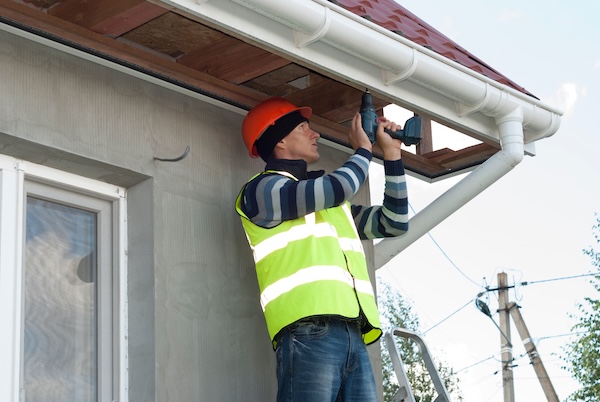
Your fascia board is more than trim. It supports your gutters, shields your roof rafters, and helps protect your home from water damage and structural issues. When it starts to show signs of wear, delaying repairs can lead to costly problems. Our team at Greenville Roofing provides expert fascia repair, replacement, and maintenance services designed to keep your roofline in good condition.
Contact us at [phone] for a free consultation today!