

Signs of Roof Leak: What Greenville Homeowners Need to Watch For
We are Greenville Roofing, a locally owned team in Greenville, South Carolina. We deliver full-service roofing solutions, such as repairs, replacements, and new installations, for both homes and businesses. Our focus is on clear communication, professional craftsmanship, and practical results for every customer. We offer free estimates, handle all insurance details, and serve all of Greenville County with dependable service built on local expertise.
A roof leak often starts small but can cause serious damage if left untreated. In Greenville, South Carolina, the mix of heavy rain, summer storms, and aging roofs means that early detection is key. Spotting the signs of roof leak in attic spaces can help prevent water damage, mold growth, and costly repairs.
In this blog, we cover the top signs of a roof leak in attic spaces and explain how Greenville Roofing’s roof repair services help homeowners in Greenville County fix leaks quickly and prevent further damage.
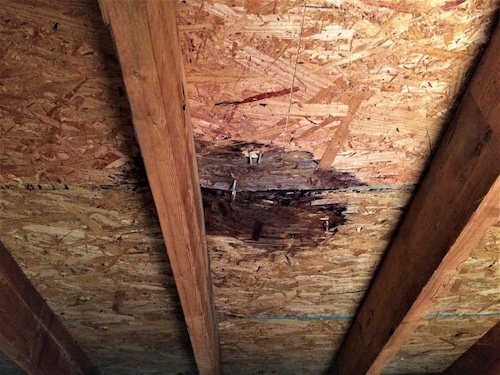
Sign #1: Water Stains and Damp Insulation in the Attic
Water stains and damp insulation are often the first clear signs of a roof leak in attic spaces across Greenville homes. These signs usually appear before more severe damage occurs.
Look for Brown or Yellow Water Stains
Check the wood framing and ceiling of your attic for brown or yellow stains. These spots often show up on the roof sheathing, rafters, or ceiling drywall. They are clear signs of moisture buildup from a leaky roof. In Greenville, frequent summer storms and high humidity can make this damage appear faster than in drier areas.
Inspect the Insulation for Moisture
Damp insulation is another early warning. Insulation that feels wet or looks sunken has likely absorbed water from a small leak. Over time, this moisture can spread to other parts of your home, including walls and ceilings. Wet insulation also loses its ability to block heat, raising your energy bills during Greenville’s hot summers.
Watch for Mold or Mildew Growth
Wet areas in the attic often lead to mold growth or mildew. This can create health risks and spread to other parts of the house. Mold thrives in hidden, humid spaces. If your attic smells musty or shows black or green spots, you may have a hidden roof leak.
Understand Why This Happens in Greenville
Greenville’s weather patterns, including heavy rainfall and high humidity, create ideal conditions for attic moisture. Homes near wooded areas or older neighborhoods like West Greenville or near the Swamp Rabbit Trail may be more vulnerable due to aging roofs. Missing shingles, damaged flashing, or clogged gutters often cause these leaks.
Why Early Detection Matters
Catching water stains or damp insulation early can prevent expensive roof leak repair. Small leaks grow over time, especially when left unchecked in warm and humid environments like Greenville County. A quick inspection by a professional roofer can help identify the damaged area before it spreads.
Sign #2: Moldy Smells and Discoloration in Attic or Walls
Moldy odors and visible discoloration are strong signs of a roof leak, especially in attic spaces and upper walls of homes in the Greenville area.
Recognize the Smell of Mold or Mildew
A damp, musty smell in the attic often points to mold growth caused by trapped moisture. This is common after repeated summer storms in South Carolina. Moisture from a roof leak can collect in insulation or behind walls, creating the right conditions for mildew growth. Homeowners near Falls Park or Main Street may notice this smell in older homes with aging roofs.
Look for Stains or Spots on Walls and Ceilings
Discoloration on walls or ceilings is another sign of a leak. Brown, yellow, or gray spots often appear in upper corners of rooms or near ceiling fixtures. These marks usually mean water is seeping in from the roof, then spreading through the drywall or insulation. The longer the water sits, the more visible the stain becomes.
Check Attic Framing and Sheathing for Mold
In the attic, mold often grows on wood framing, roof sheathing, and insulation. This is especially true in poorly ventilated spaces or homes with blocked airflow. Even small leaks from missing shingles or damaged flashing can cause hidden mold. Homes within Greenville city limits or near the Greenville Health System may face this risk due to dense tree cover and seasonal storms.
Understand How Moisture Travels Through the Home
Moisture from a roof leak rarely stays in one spot. It can travel down into exterior walls, affect ceiling paint, and lead to peeling or bubbling surfaces. Mold can also grow inside wall cavities, making it hard to spot without a professional roofer inspection. These issues are common in houses with older roofs or past roof damage.
Act Quickly to Prevent Further Damage
If you smell mold or see wall discoloration, contact a roofer for an attic inspection. Delaying repair increases the risk of water damage to walls, insulation, and electrical systems. In Greenville County, quick roof leak repair can prevent long-term damage and protect your home before the next storm hits.
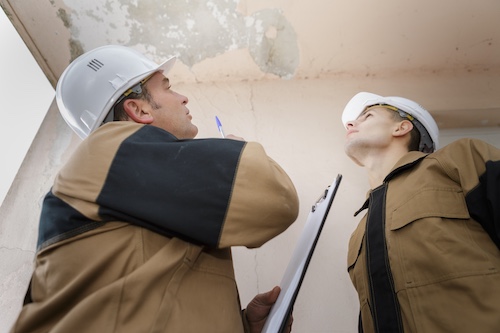
Sign #3: Missing or Damaged Shingles & Flashing Around Entry Points
Missing or damaged shingles and faulty flashing are direct signs of roof damage that often lead to leaks in Greenville homes.
Check for Missing or Curled Shingles
Shingles protect your roof from rain and wind. If they are missing, curled, or cracked, water can seep underneath. Summer storms and wind gusts in Greenville often rip shingles from rooftops. This is common in areas near the Greenville Convention Center and neighborhoods exposed to open wind corridors. Damaged or missing shingles leave the roof sheathing vulnerable to moisture.
Inspect Flashing Around Chimneys and Vents
Flashing is the thin metal installed around chimneys, skylights, and roof vents. It prevents water from entering at these high-risk points. Over time, flashing can rust, crack, or separate from the roof. This often happens near vent boots or when new flashing was installed incorrectly. A leak around flashing can cause water stains and mold in the attic or upper walls.
Understand the Risks Around Entry Points
Entry points like chimneys, plumbing vents, and skylights are weak spots on any roof. If the flashing around these areas is damaged or missing, even a light rain can cause a roof leak. Greenville homes with complex rooflines or multiple vent systems are at higher risk. This includes homes near the Swamp Rabbit Trail or properties built in older parts of West Greenville.
Connect Exterior Damage to Interior Leaks
Roof damage on the outside often leads to moisture buildup inside the attic. A missing shingle may not seem urgent, but it can result in water damage, mold growth, and even structural problems. Rainwater finds the path of least resistance, which may lead to ceiling leaks and wall stains far from the damaged area.
Inspect After Storms and Seasonal Weather
After strong wind or hail, inspect your roof for shingle loss and flashing separation. This is especially important in Greenville’s fall and summer seasons, when storms are frequent. A timely inspection by a professional roofer can find damage early and prevent expensive roof leak repair later.
Sign #4: Dripping, Pooled Water, or Active Leaks in the Attic
Dripping or pooled water in the attic is one of the most obvious signs of a roof leak and should never be ignored.
Look for Water Drops or Puddles After Rain
Check the attic during or after a rainstorm. If you see water dripping from the ceiling or collecting on the attic floor, you likely have an active roof leak. This water may come from a single damaged area or travel from another point before settling. Homes in Greenville often experience this issue during heavy summer rainfall or winter ice storms.
Inspect the Source Around Vents and Valleys
Drips often start around roof valleys, skylights, plumbing vents, or old flashing. These entry points are common sources of leaks, especially when shingles are missing or flashing is damaged. In neighborhoods near the Greenville Health System or along Main Street, aging roofs with poor sealing are frequent culprits.
Watch for Water Spreading to Insulation or Ceiling
Once water enters the attic, it can soak into insulation and weaken the ceiling below. This leads to sagging drywall, bubbling paint, and ceiling stains. Moisture buildup also creates the right environment for mold and mildew growth. Even a small leak can lead to large repair costs if left unaddressed.
Check Gutters and Downspouts for Backflow
Clogged gutters can cause water to back up under shingles and into the attic. Greenville homes surrounded by trees, especially near the Blue Ridge Mountains or Falls Park, face this risk more often in fall. Clean and working gutters help prevent roof leaks and protect roof edges from water damage.
Take Quick Action to Stop Further Damage
If you notice dripping or standing water, contact a professional roofer immediately. Delays can lead to structural damage, ruined insulation, and electrical hazards. Fast roof leak repair is critical to protecting your home and preventing more serious damage throughout the attic and walls.
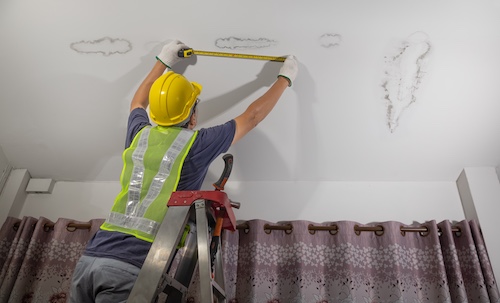
Stop Roof Leaks Before They Spread With Help From Greenville Roofing!
If you have seen any signs of a roof leak in your attic, act now before the damage gets worse. Our team at Greenville Roofing offers dependable roof leak repair services throughout Greenville County. We inspect your roof, find the source of the leak, and fix it with lasting solutions.
Contact us at [phone] for a free consultation today!